Accountable Program Leadership
You have plenty of reporting. What you may not have is an independent read on whether it is true.
Academic medical centers, community hospitals, and integrated systems across a decade of consulting.
Clinical, operational, and technical tracks aligned on a single enterprise program.
A program that activates on schedule and degrades by month six has not succeeded. Adoption at month twelve is the measurement that holds.
On time and under budget, with measurable gains in change awareness and training completion ahead of go-live.
Client-side and inside the program, from first planning through post-live stabilization.
The CIO who carries the program to the board, and the COO who owns whether the hospitals still run. Clinical leadership is who I have to convince in week one.
Technical readiness and operational readiness are not the same measurement, and only one of them determines whether your hospitals function the Monday after go-live.
I don't advise the people running the transformation. I help run it. What you are buying is a defensible answer to the question you will be asked in front of the board, and someone who will make the answer true before you have to give it.
Over a decade and 10+ health systems, the work has covered every major implementation scenario. The through-line is consistent: someone the organization trusts, close enough to the plan to make sure it lands, and present at the moments that matter.
Programs run better when the real status is in the room, not in the hallway after the meeting.
The clinical foundation shapes how the work is understood and how clinical teams are engaged. It is the difference between translating technical implementation into operational reality and simply describing it.
The most recent engagement was a client-side bridge role alongside a Big 4 consulting firm at a three-hospital academic health system. The role existed because the client wanted someone they trusted inside the seam between organizations.
Conversion off a legacy EHR. Data, workflow, and a clinical population that has to work in two systems at once. This is the scenario where migration experience is not one qualification among several. It is the qualification.
Multiple instances into one. Every consolidated workflow is a decision somebody already made differently, and somebody has to own unmaking it. The technical complexity is real. The organizational complexity is harder.
Both directions: acquired and acquiring. The clock starts at close, and the two vantage points produce genuinely different work.
The system activated and the organization did not absorb it. Throughput, AR days, denial rates, and physician confidence are the measurements now. Recovery is a program, not a ticket queue.
New to Epic. Full program direction from planning through sustained adoption. Fewer of these run every year. They are still the complete arc.
The same person at the executive table and in the command center. There are plenty of talented executive consultants. The question is whether the person you hire is still present when the work gets hard.
Measured at month six and month twelve, not at go-live. The work is done when the organization has absorbed the change. Deep adoption means the people, the processes, and the technology are integrated into how the organization operates. Go-live is a checkpoint, not a finish line.
The real status belongs in the room, said plainly, while there is still time to act on it. The culture of a program is set by what the program leader models every day: candor, high standards, shared ownership, and an environment where the team can do their best work.
Readiness is engineered, not hoped for. It requires a communication strategy that actually reaches the front line, measurement that tells the truth about where adoption stands, and clear ownership at every level. Most programs underinvest in all three and find the gap too late.
Engagement typically begins because one of the following has occurred or is imminent. The person who signs is the CIO, or the COO when the pain is operational. The highest-value window is nine to fifteen months before first-wave go-live: late enough that the readiness gaps are visible, early enough that they are still fixable. If none of these describe your situation yet, the writing is the better place to start.
You are under two years in the seat and accountable for a program someone else built the business case for. The schedule is not one you would have set, the governance produces meetings instead of decisions, and the status report has been green for longer than you believe. You need an independent read before the board asks a question you cannot answer.
The selection is made and the implementation partner is not locked yet. A conversion off a legacy EHR is a different program from a net-new install, and the difference shows up in data, in workflow, and in clinicians who have to work in both systems at once.
Capital is approved to bring multiple instances into one, or an acquisition closed and the acquired hospitals are on a different EHR. The technical complexity is real. The organizational complexity, thirty legacy ways of working and the politics attached to each, is harder.
A published date moved, or the system activated on schedule and the organization has not recovered. Throughput, AR days, denial rates, and physician confidence are the measurements that matter now. The longer this waits, the more expensive the recovery.
Writing drawn from real engagements — names and identifying details anonymized or permissioned — on why implementations succeed and why they fail. New pieces publish on Substack.
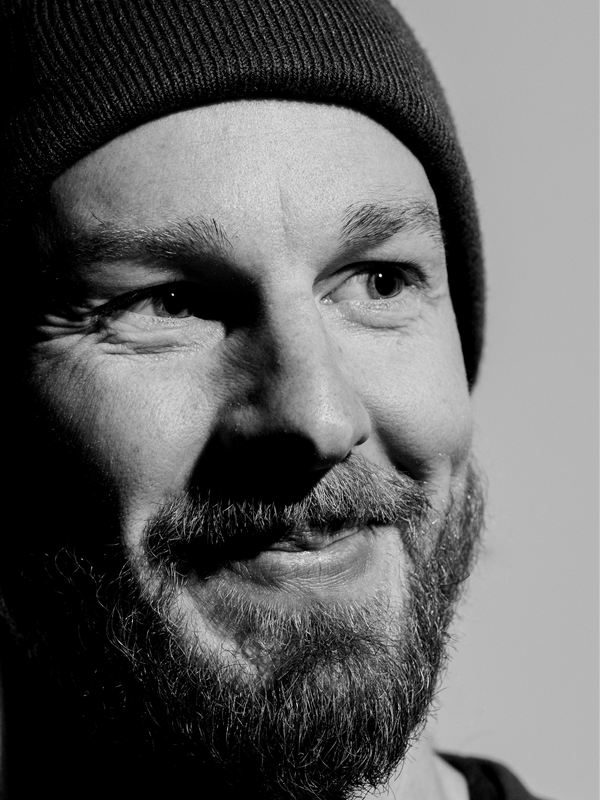
Charles Hoppe leads U.S. health systems through the hardest part of an Epic program: conversions off a legacy EHR, instance consolidations, M&A integration, and post-go-live recovery. Full program direction, readiness leadership, and advisory work across more than ten organizations in the past decade.
The path into the work was clinical. Medical Laboratory Scientist first, then laboratory supervisor, then Epic through Beaker, and from there into program leadership. That foundation is why the work reads as operations rather than abstraction: he has been on the receiving end of an implementation, not only the person running one.
The practice is small by design. No bench, no junior staff billed under a senior name, no handoff after the contract is signed. The person you meet in the first conversation is the person who runs the program.
If you need three hundred resources, hire a firm. If you need one person who will tell you the truth and then own the fix, that is a different purchase. I don't replace your implementation team. I am the layer that makes sure it is pointed in the right direction.
That is the point, and it is why I hold a small number of engagements. The thing you are buying is access to me. If I sold you an engagement and handed it to a team, you would have bought the thing you were trying to avoid.
Good. You should. I don't replace them and I don't manage them. I give you an independent view of whether what they are delivering is producing an organization that can operate on day one.
Conversions · Consolidations · RecoveryIf one of the situations above describes where your organization is, a direct conversation is the right first step. No intake queue, no discovery call template, no sales team. Direct to Charles Hoppe.